
A man sits in the dark with three daughters and nothing left. He was once rich; now he cannot pay for even one wedding, and in his world a girl without a dowry has almost no future. So he does the only thing a ruined father can do. He worries, quietly, night after night.
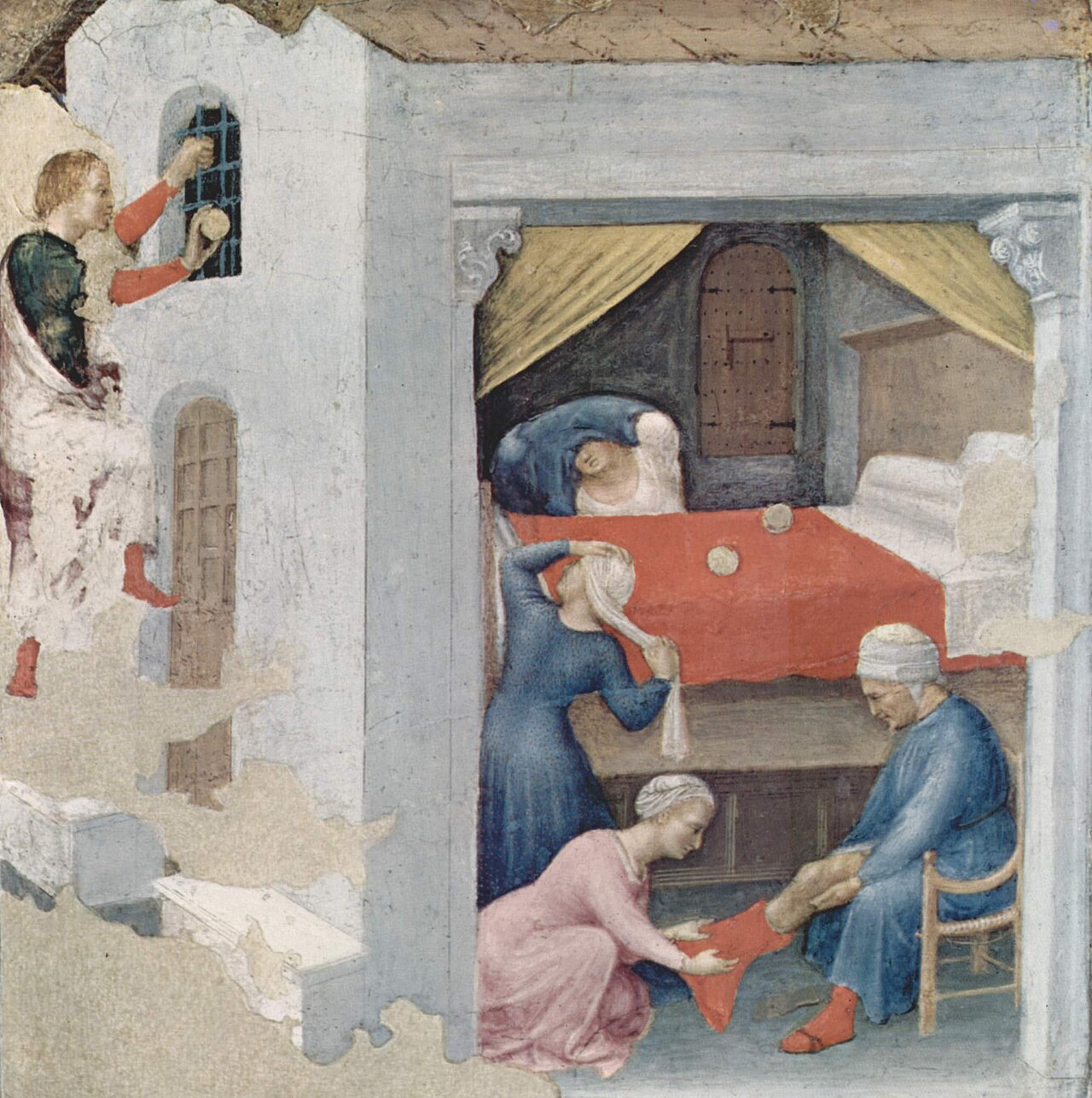
Then, the legend tells it, something small and heavy lands in the house. A bag of gold has come through the window, thrown by someone who vanished into the night before he could be thanked. A while later, a second bag comes. By the third night, the father is waiting at the window.
This is a legend, not a recorded event. It is told of Nicholas, a bishop of the 4th century.
The real Santa Claus is St Nicholas, a 4th-century bishop of Myra in what is now Turkey. By legend he secretly left gold for a poor man’s three daughters, and that tale of secret gift-giving, kept alive as Sinterklaas in the Netherlands and carried to New Amsterdam, became Santa Claus. The historical record on Nicholas is thin; the stories came later.
| Who | Nicholas, bishop of Myra (Demre, Turkey); patron saint of sailors and children |
|---|---|
| When | 4th century (the traditional dates c. 270 to 343 are not certain) |
| His feast day | 6 December (Gregorian calendar); 19 December on the Julian calendar |
| Famous legends | The three sisters and the gold; the three boys and the butcher |
| Becomes Santa how | Dutch Sinterklaas, New Amsterdam, then American writers and artists |
The night the father waited at the window
Here the legend gets its twist. In the oldest written form of the tale, from the early 9th century, the father stayed awake to see who his benefactor was, and he recognised Nicholas. The bishop asked him to tell no one. The three daughters could marry, and the family was saved from ruin.
That is the whole seed of Santa Claus: a gift given in secret, to people who could not ask for help, by someone who did not want credit. Everything else, the sleigh, the reindeer and the red coat, was added over many centuries.

A bishop in a port city called Myra
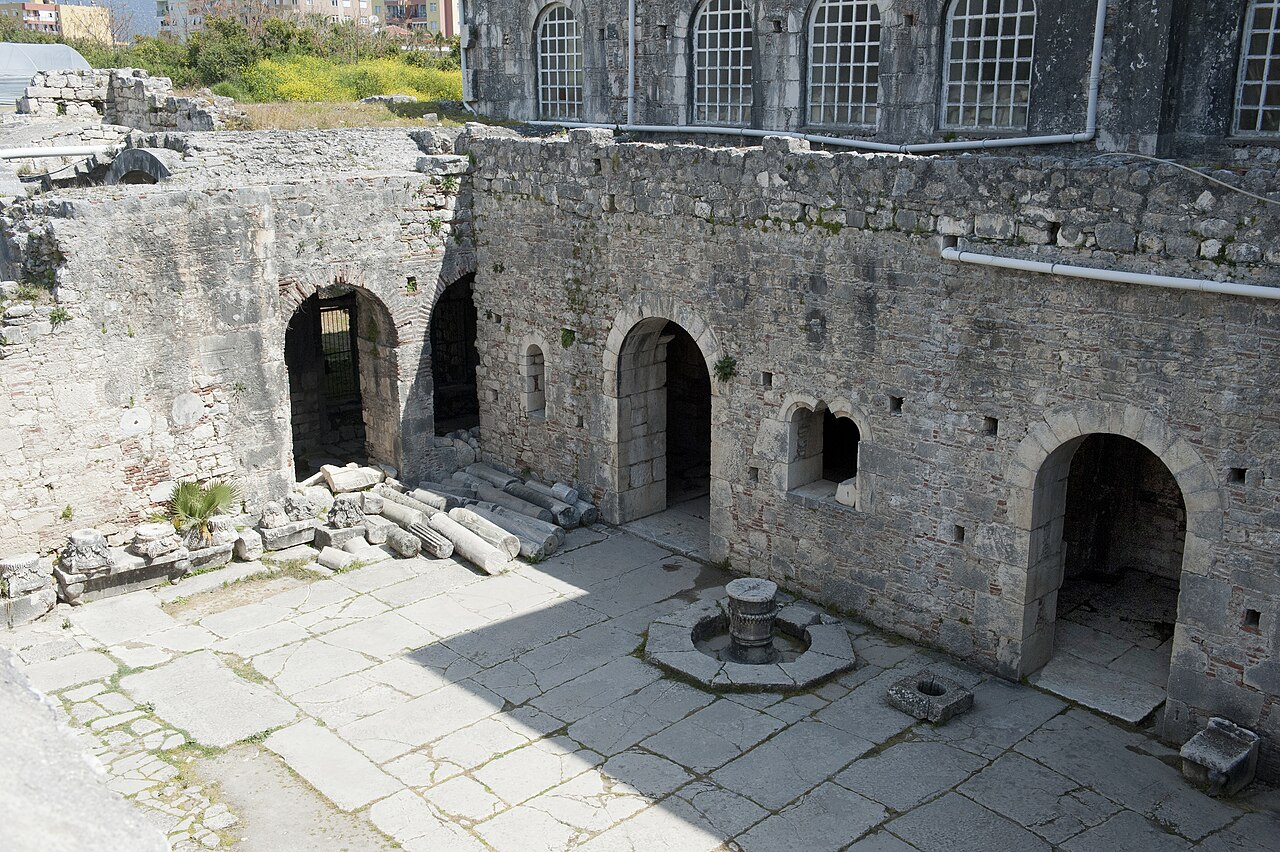
Nicholas was from Patara in the old region of Lycia. Tradition says he made a pilgrimage in his youth and then became bishop of Myra, a busy harbour town. Today the place is called Demre, on the southern coast of Turkey, and a church dedicated to him still stands among the ruins.
A port city explains one of his titles. Sailors prayed to him for safe voyages, and he became their patron saint. Another title came from the stories told about him, and from the gift of gold: he became the patron saint of children.

What history can actually say about St Nicholas
Honestly, not much. Nicholas was a real bishop remembered in Myra, but almost nothing was written about him in his own time. The dowry story first appears in writing about 500 years after his death, in a Greek Life of the saint by Michael the Archimandrite. A popular tale that Nicholas attended the Council of Nicaea in 325 is disputed; some scholars doubt it, because writers who were present do not mention him.
So when you hear “the real Santa Claus”, the careful answer is this. The man was real, the details are legend, and the legend is the reason he is loved. Many Christians honour him as a saint; this article tells how his story travelled, and does not weigh any belief.
From three purses to three golden balls
Artists loved the dowry tale. They painted three bags, three coins or three golden balls, which became the saint’s symbol in church art. In some later folk traditions those balls were pictured as oranges. Children in parts of Europe began to expect small gifts on the night before his feast, 6 December, and the idea of the saint as a secret giver took root.
The tale of the three boys: legend, and a possible misreading
Another legend says three boys were killed by a butcher and hidden in a barrel, and that Nicholas brought them back to life. This story is a late medieval addition, absent from the earliest Lives. One scholar, Adam English, suggests that people forgot the original meaning of such pictures and misread them: the children pointed to Nicholas as a patron of children, and the barrel suggested brewers. This is an interpretation, not a proven origin, so read it as one theory.
Why Dutch children kept St Nicholas: Sinterklaas
Then came the Reformation. Protestant leaders in many parts of Europe objected to the veneration of saints, and the old St Nicholas customs faded or were banned in many places. The gift-giving moved to the baby Jesus, called Christkindl in some regions.
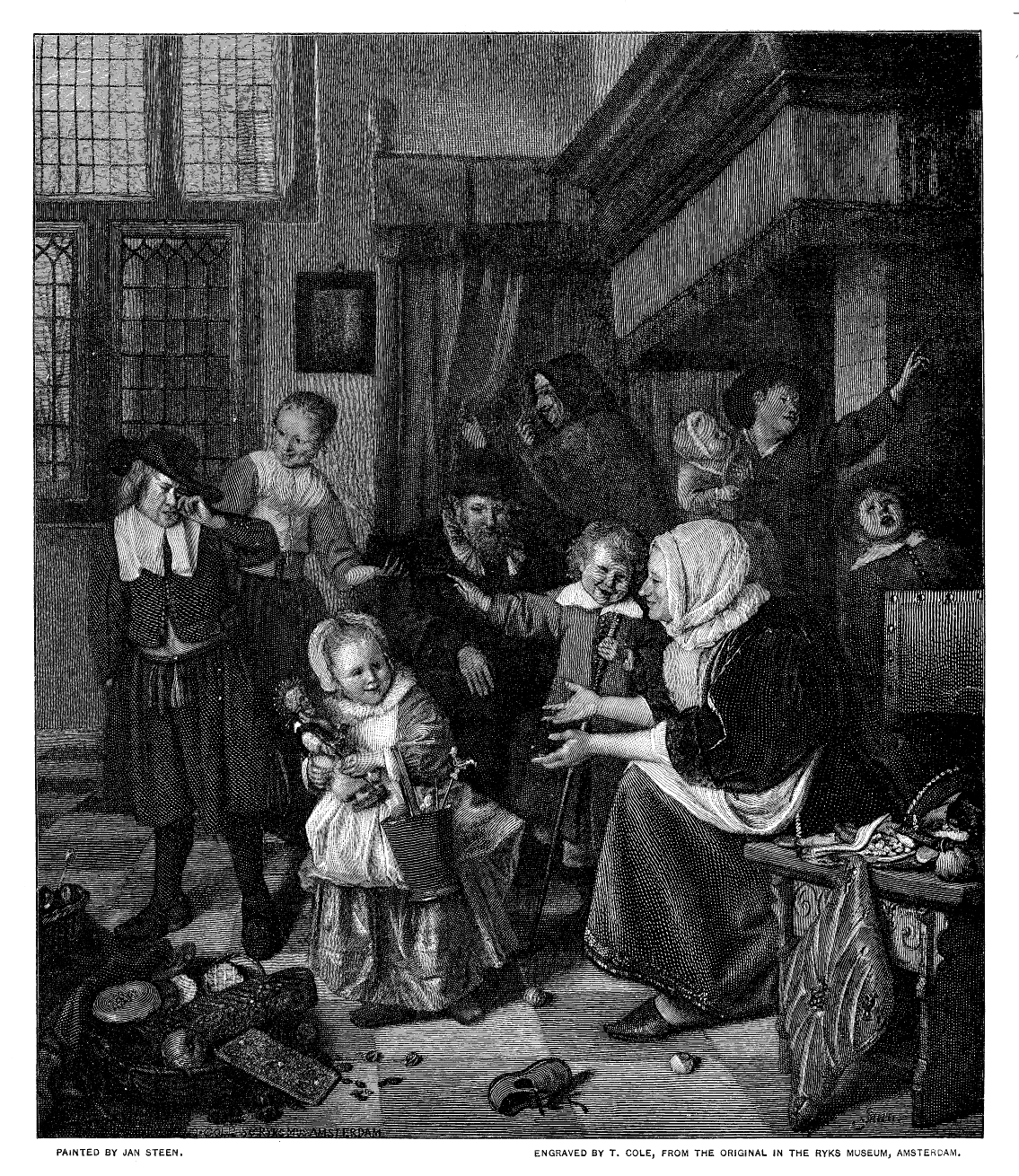
In the Netherlands, however, the saint survived. Dutch families kept celebrating Sinterklaas, who arrives with gifts at the start of December. The Dutch painter Jan Steen showed a household on the saint’s feast in the 1660s: children laughing, one weeping, shoes and sweets scattered on the floor.

The Santa Claus story sails to New Amsterdam
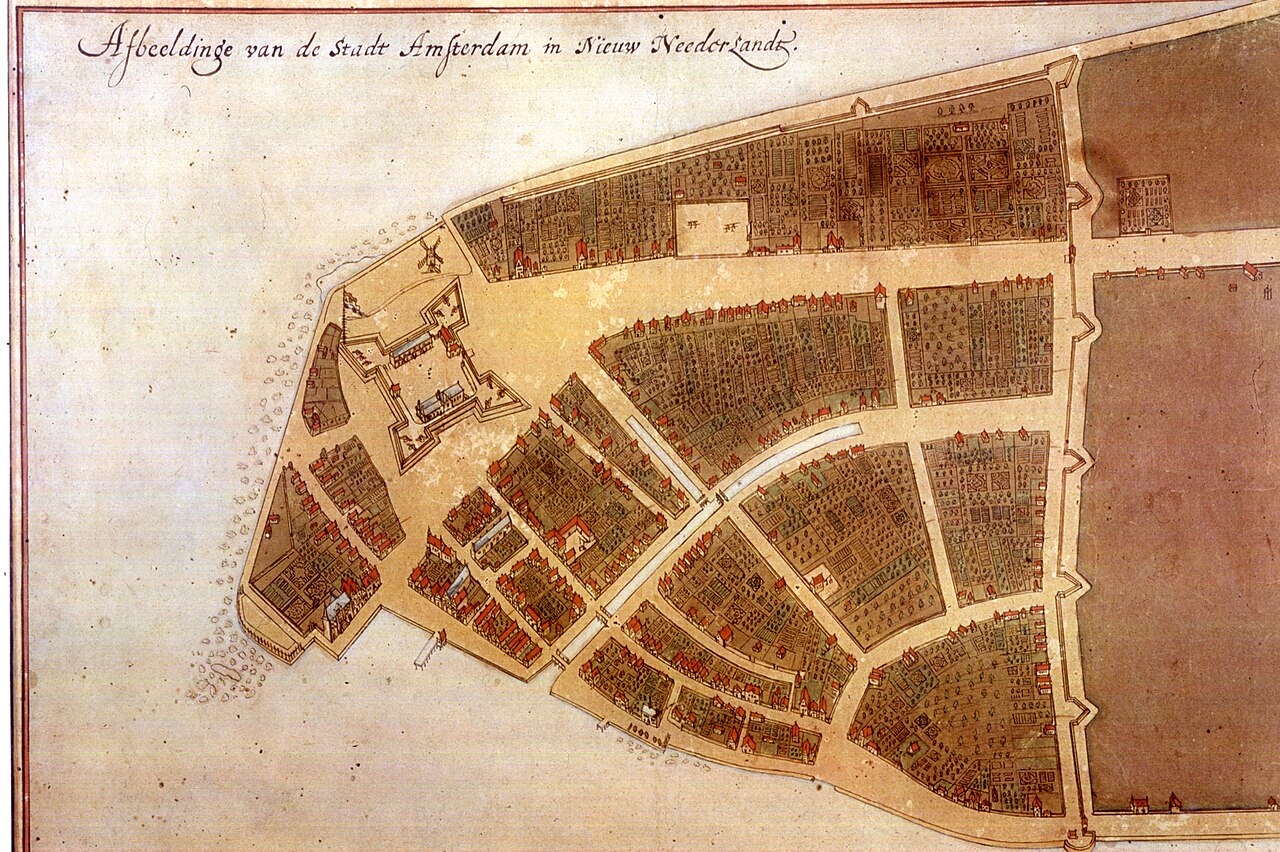
Dutch settlers carried Sinterklaas across the Atlantic to New Amsterdam, the colony we now know as New York. English speakers heard “Sinterklaas” and bent it into Santa Claus. So the name Santa is Dutch at heart, which is why the bishop of a Turkish port has a name that sounds nothing like Nicholas.

Writers and artists give him a sleigh and a red coat
In 1809 Washington Irving’s comic History of New York pictured St Nicholas as a pipe-smoking figure who flew over the city in a wagon and delivered gifts. In 1823 the poem A Visit from St. Nicholas (“Twas the night before Christmas”) appeared anonymously in a New York newspaper. It put a sleigh, reindeer and a chimney into the story. The poem is usually credited to Clement Clarke Moore, though some argue it was written by someone else.
The cartoonist Thomas Nast then drew Santa for Harper’s Weekly from the 1860s, a cheerful, round man in a red suit. Later advertisements made that picture even more familiar. The bishop’s robes, by then, were long gone.
Santa in India today
In India, Santa now appears in school plays, shopping malls and Christmas markets in December, and Christian families celebrate Christmas in their own ways. Children who have never heard of Myra still know the sack of gifts. Underneath, the old idea survives: giving quietly to someone who needs it. If you are curious about the season, read our facts about Christmas and the Christmas tree, how other cultures begin a new year in our new year traditions around the world, or the full list of festival stories on Freeflow.
Frequently asked questions
Was Santa Claus a real person?
Santa Claus is based on St Nicholas, a real 4th-century bishop of Myra. Most of the stories about him, including the gift of gold, are legends written down centuries later. The modern Santa grew from Dutch Sinterklaas and American writers and artists.
Where was St Nicholas born?
Tradition places him at Patara in Lycia, in present-day Turkey, and says he served as bishop of Myra (now Demre). The exact dates are not certain.
When is St Nicholas Day?
St Nicholas Day is 6 December on the Gregorian calendar. Churches that follow the Julian calendar mark it on 19 December.
Why is Santa called Santa Claus?
The name comes from the Dutch “Sinterklaas”, a short form of “Sint Nikolaas” (St Nicholas). Dutch settlers brought it to New Amsterdam, where English speakers changed it to Santa Claus.
Sources and versions
The dowry story and the three-boys story are legends; the account of Nicholas at the Council of Nicaea is disputed. Read more: Wikipedia, Saint Nicholas; Wikipedia, Santa Claus; Medievalists.net, From St Nicholas to Santa Claus. The authorship of the 1823 poem and the exact early history of the name remain debated.
सांता क्लॉज़ की कथा (संक्षेप में)
असली सांता क्लॉज़ संत निकोलस थे, जो चौथी सदी में आज के तुर्की के माइरा नगर के बिशप थे। कथा के अनुसार उन्होंने एक गरीब पिता की तीन बेटियों के विवाह के लिए रात में चुपके से सोने की थैलियाँ खिड़की से डाल दी थीं। यह कथा लोककथा है, इतिहास का प्रमाण नहीं। नीदरलैंड में उन्हें सिंटरक्लास कहा गया; डच बसने वाले न्यू एम्स्टर्डम (आज का न्यूयॉर्क) ले गए, जहाँ अंग्रेज़ी में नाम बदलकर सांता क्लॉज़ हो गया। बाद में लेखकों और चित्रकारों ने स्लेज, रेनडियर और लाल कोट जोड़ा। संत निकोलस का पर्व 6 दिसंबर को मनाया जाता है।
More festival stories are on our festivals hub.