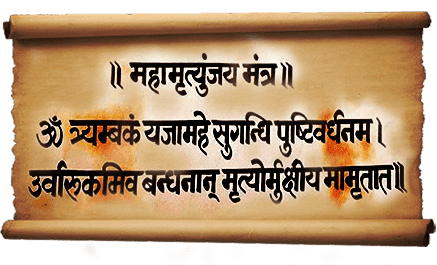
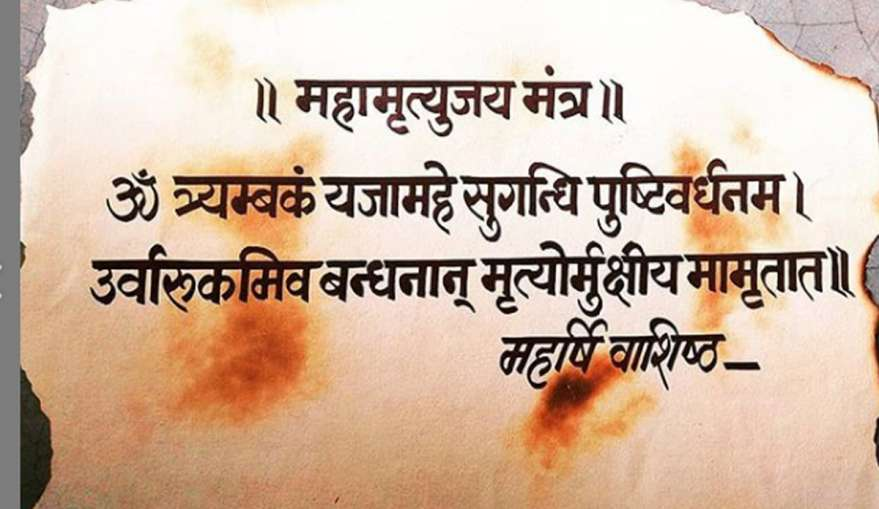
The Maha Mrityunjaya Mantra (महामृत्युंजय मंत्र), the “great death-conquering mantra”, is a verse from the Rig Veda (7.59.12) addressed to Lord Shiva as Tryambaka, the three-eyed one. It means: “We worship the three-eyed Lord, who is fragrant and nourishes all beings. As a ripe cucumber is freed from its vine, may he free us from death, and not from immortality.” It is chanted for health, healing, protection and long life. Below are the full mantra, word-by-word meaning in English and Hindi, benefits and how to chant it 108 times.
The sacred syllable representing the divine and the universe
Tryambakam
The three-eyed one, Lord Shiva
Yajamahe
We worship, we adore
Sugandhim
The fragrant one, whose presence is pure and pleasing
Pushti-Vardhanam
The one who nourishes and increases well-being
Urvarukam-iva
Like a ripe cucumber (or gourd)
Bandhanan
From its bondage, the vine or stem
Mrityor Mukshiya
May we be freed from death
Maa-Amritat
But not from immortality
The image of the cucumber is the heart of the mantra: when it ripens it falls from the vine on its own, without effort or pain. The devotee asks Shiva for that same natural release from fear and death, while staying connected to the immortal.
महामृत्युंजय मंत्र का अर्थ (meaning in Hindi)
हम तीन नेत्रों वाले भगवान शिव की पूजा करते हैं, जो सुगंधित हैं और सबका पोषण करते हैं। जैसे पका हुआ ककड़ी (खरबूजा) अपनी बेल के बंधन से सहज ही मुक्त हो जाता है, वैसे ही वे हमें मृत्यु के बंधन से मुक्त करें, पर अमरत्व से नहीं।
Where the mantra comes from
It is one of the oldest mantras, found in the Rig Veda (mandala 7, hymn 59, verse 12) and also in the Yajur Veda, and it addresses Rudra, the form of Lord Shiva. The name joins three words: Maha (great), Mrityu (death) and Jaya (victory). Because of its life-restoring power it is also called the Mrita-Sanjivani mantra, and some call it the Moksha mantra. It is closely linked with the story of young Markandeya, whom Shiva saved from Yama; read why Lord Shiva is called Kalantaka.
Benefits of chanting the Maha Mrityunjaya Mantra
Health and healing: it is chanted for the sick and for recovery from illness; it is believed to rejuvenate and bestow health and long life.
Protection: devotees believe it wards off accidents, untimely death and fear of death.
Strength in hard times: it brings courage and determination to face obstacles and adversity.
Peace of mind: the steady rhythm of chanting is meditative and settles the mind; it is also used in meditation and yoga practice.
Spiritual growth: it is believed to purify the mind and karmas and lead toward liberation (moksha).
How to chant it, and how many times
When: early morning (Brahma muhurta) or evening; Mondays, Pradosh, Shravan month and Maha Shivaratri are especially auspicious.
Where: a clean, quiet place, facing a Shiva linga or an image of Lord Shiva.
How many times: 108 times (one round of a rudraksha mala) is traditional; 11 or 21 times daily is a good start. For a sick person, families often chant or arrange a jaap of 1.25 lakh repetitions.
How: set your intention, sit straight, and chant slowly and clearly, aloud or silently, with attention to the meaning. Offering water or bilva leaves to Shiva is customary.
Frequently asked questions
Which Veda is the Maha Mrityunjaya Mantra from?
The Rig Veda, mandala 7, hymn 59, verse 12; it also appears in the Yajur Veda.
How many times should I chant it?
108 times is one full round of a mala; 11 or 21 times a day with full attention is a good daily practice.
Can it be chanted for someone who is ill?
Yes. It is traditionally chanted by family members for a person’s recovery and well-being, alongside medical care.