The Demoness Who Tried to Poison a God: Unraveling the Tale of Lord Krishna and Putana
Explore the mythical tale of Putana, the demoness sent to kill Lord Krishna, and his miraculous victory over her – a story brimming with deception, divine protection, and an unexpected twist. This isn’t just a children’s fable; it’s a profound narrative woven into the fabric of Hindu mythology, revealing much about destiny, devotion, and the power of good versus evil. But what drove this seemingly virtuous woman to attempt such a heinous act against an innocent child? And how could a baby possibly defeat a powerful Rakshasi? Let’s delve deeper into the captivating legend of Krishna and Putana.
The Shadow of Bali: Understanding Putana’s Origins
Putana wasn’t just any demoness; she was the daughter of Bali, a formidable asura known for his battles against the gods. As an infamous Rakshasi – a demonic being devoid of virtue – her very name carried a weight of ill omen. The word “Putana” itself signifies this lack of goodness, hinting at a nature predisposed to malice. But why was she sent specifically to target infant Krishna? This question leads us into the prophecy surrounding his birth and the fear it instilled in Kamsa, his tyrannical uncle who desperately sought to prevent Krishna from fulfilling his destiny. The story is steeped in divine intervention and a desperate attempt to thwart what was ultimately unavoidable.
A Deceptive Disguise: Putana’s Ingenious Plan
Kamsa, fearing the prophecy that foretold Krishna’s rise to power, dispatched numerous assassins to eliminate him. Yet, each attempt proved futile, thwarted by divine protection. Recognizing the need for a more subtle approach, Kamsa enlisted the help of Putana. She was instructed to disguise herself as a beautiful and loving mother, approaching Krishna with poisoned milk in an attempt to end his life. This deceptive tactic aimed to lull those protecting him into a false sense of security, allowing her to strike undetected. The sheer audacity of this plan – using maternal tenderness as a weapon – is what makes the story so compelling. But how could anyone suspect such a seemingly benevolent figure?
The Unexpected Twist: Krishna’s Divine Power
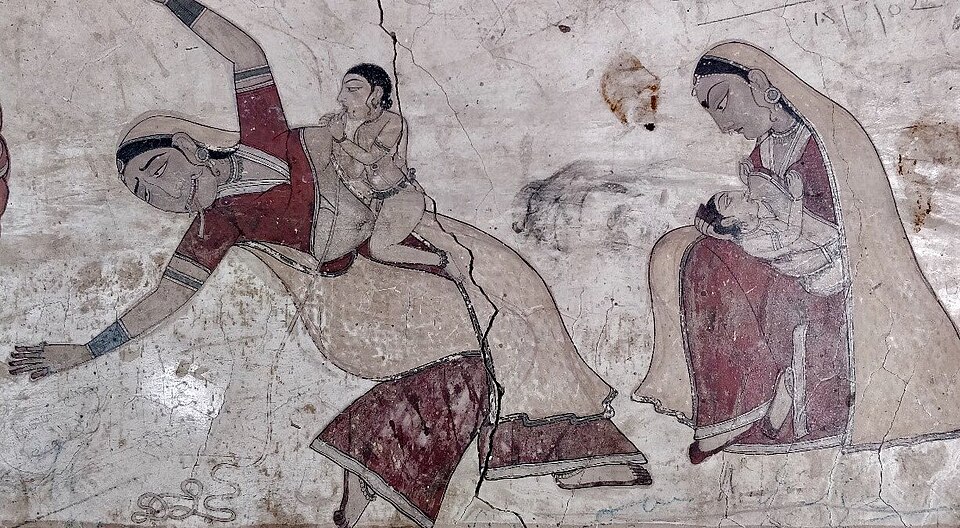
Putana arrived in Vrindavan and, true to her disguise, approached baby Krishna with an enchanting smile and offered him milk. As she nursed him, however, something extraordinary happened. Instead of succumbing to the poison, Krishna began to suck the life force out of Putana! Her beautiful form gradually transformed into a monstrous Rakshasi, her demonic nature revealed for all to see. The very poison intended to kill him became her undoing. This pivotal moment highlights Krishna’s divine power and his ability to turn even the most malicious intentions against their source. So what does this tell us about the nature of good and evil? Can innocence truly overcome malice?
Did You Know?
-
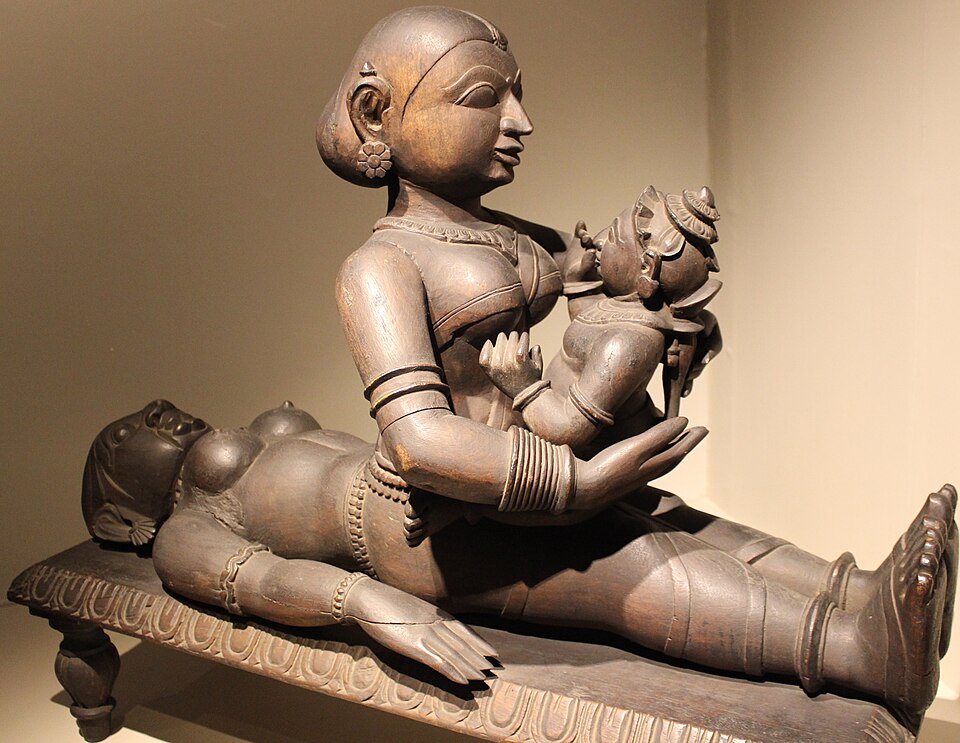
A 17th-century wooden sculpture of Putana exists, a testament to the enduring legacy of this mythological figure in Indian art and culture. It serves as a visual reminder of her role in Krishna’s life story, prompting reflection on the complexities of good versus evil.
-
Lord Krishna sucked her blood, revealing her true form – a gruesome but crucial detail that underscores his divine power and Putana’s ultimate defeat. This act wasn’t merely about eliminating a threat; it was a demonstration of cosmic justice.

-
Putana was an infamous Rakshasi or demoness, highlighting the constant struggle between divine forces and demonic entities in Hindu mythology. Her story serves as a cautionary tale against succumbing to darkness and embracing virtue instead.
The Consequences of Challenging Destiny: A Lesson for All Time
The tale of Putana raises profound questions about free will versus destiny. Why did Putana agree to Kamsa’s plan? Was she merely a pawn in a larger cosmic game, or did she possess genuine agency in her actions? While the story doesn’t explicitly answer these questions, it strongly suggests that attempting to thwart divine will is ultimately futile and self-destructive. The consequences of defying destiny are always severe, as demonstrated by Putana’s gruesome demise. What lessons can we draw from this ancient narrative about accepting our place in the universe and embracing a path of righteousness?
Frequently Asked Questions
Q: Why did Putana decide to poison baby Krishna, and what might have been her motivations or background story? While Kamsa orchestrated the plot, Putana’s personal motivations remain shrouded in mystery. Perhaps she sought favor with the asura king, or perhaps she was simply driven by a predisposition towards evil. The story focuses more on the consequences of her actions than on exploring her inner psyche.
Q: What lessons can be drawn from the tale of Putana regarding the consequences of attempting to thwart divine will? The most significant lesson is that resisting destiny ultimately leads to destruction. Putana’s attempt to kill Krishna backfired spectacularly, resulting in her own demise and reinforcing the power of divine protection. It serves as a reminder that even seemingly insurmountable obstacles cannot stand in the way of what is meant to be.
A Timeless Tale: The Enduring Power of Goodness
The story of Lord Krishna and Putana continues to resonate across generations, serving as a powerful allegory for the eternal battle between good and evil. It reminds us that even the most cunning schemes can be undone by divine grace and that true virtue ultimately triumphs over malice. Just as Krishna overcame Putana’s deceptive plan, we too are capable of overcoming challenges through faith, devotion, and unwavering commitment to righteousness. The demoness who sought to extinguish a divine spark only served to illuminate his glory even further – a testament to the enduring power of goodness.