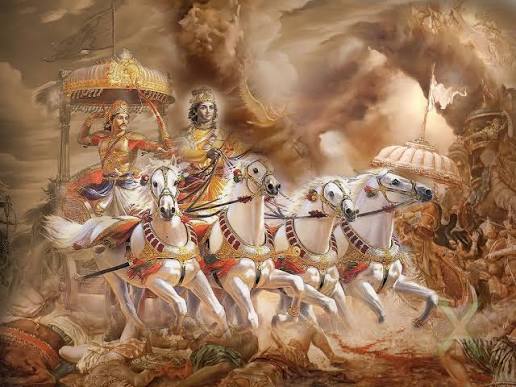
Arjuna, The Great Archer and Disciple of Krishna: More Than Just a Warrior
Arjuna is widely recognized as one of the central characters of the ancient Hindu epic Mahabharata, celebrated for his unparalleled archery skills and profound spiritual journey under the guidance of Lord Krishna. He’s more than just a warrior; he’s a symbol of human struggle, duty, and ultimately, enlightenment. But how much do you really know about this iconic figure? Prepare to be surprised – we’re diving into seven fascinating facts that reveal the depths of Arjuna’s story beyond the battlefield.
The Divine Lineage: A Son of the Gods
Arjuna wasn’t just born; he was blessed by divine intervention. He is the son of Indra, the king of the gods, and Kunti, wife of King Pandu of the Kuru dynasty. This lineage bestowed upon him extraordinary strength and skill from birth, setting him on a path destined for greatness. His father’s blessing also meant he possessed an innate connection to the divine realm, influencing his destiny and shaping his role in the unfolding epic. But what impact did this celestial parentage have on Arjuna’s earthly responsibilities?
💡 Why it matters: Understanding Arjuna’s lineage provides crucial context for appreciating his exceptional abilities and the weight of expectations placed upon him.
The Rigorous Training Under Drona: Forging a Legend
Arjuna’s mastery of archery wasn’t simply innate; it was meticulously honed under the tutelage of the legendary guru, Drona. He underwent years of intense training, surpassing even his elder brothers in skill and prowess. This rigorous education instilled not only exceptional combat abilities but also values like discipline, respect for teachers, and unwavering dedication – qualities that would prove vital throughout his life. Curses on Arjuna – The great warrior and archer from Mahabharata details some of the challenges he faced even during this period, hinting at a complex relationship with his mentor. But what specific skills did Drona impart that made Arjuna such an extraordinary archer?
💡 Why it matters: It highlights the importance of mentorship and dedication in achieving mastery, both on and off the battlefield.
The Competition with Karna: A Rivalry Rooted in Fate
Arjuna’s life was intertwined with a complex rivalry with Karna, another exceptionally skilled warrior. Despite their mutual respect and shared abilities, circumstances dictated that they stand on opposing sides of the Kurukshetra War. This tragic conflict stemmed from a misunderstanding regarding their birth order and Drona’s promise to bestow upon Arjuna his divine weapon, Pasupatastra. The relationship between these two warriors is a poignant exploration of fate, duty, and the devastating consequences of societal prejudice. Ten names of the great archer Arjuna – freeflow explores some of his many epithets, reflecting his prowess in battle against rivals like Karna.
💡 Why it matters: It demonstrates how even extraordinary individuals can be victims of circumstance and societal structures.
The Draupadi Connection: A Shared Destiny
Arjuna’s life took a dramatic turn with the swayamvara (a traditional ceremony where a princess chooses her husband) of Draupadi, a princess renowned for her beauty and intelligence. He won her hand through his unparalleled archery skills, but this victory came with significant consequences, leading to polyandry – Draupadi being married to all five Pandava brothers. This unconventional arrangement shaped the course of their lives and ultimately contributed to the escalating conflict with the Kauravas. Draupadi’s role in the Mahabharata is far more than just a damsel in distress; she’s a powerful figure whose actions have profound repercussions, as explored in Interesting Facts About Draupadi.
💡 Why it matters: It illustrates the complexities of relationships and societal expectations within ancient Indian culture.
The Bhagavad Gita: A Spiritual Awakening
Perhaps Arjuna’s most significant contribution to Hindu philosophy lies in his dialogue with Lord Krishna during the Kurukshetra War, which forms the basis of the Bhagavad Gita. Faced with a moral dilemma – fighting against relatives and teachers – Arjuna sought guidance from Krishna, who revealed profound truths about dharma (duty), karma (action), and moksha (liberation). This conversation transformed Arjuna’s understanding of his role in the universe and provided invaluable spiritual wisdom for generations to come. What are some of the core philosophical themes explored in these conversations?
💡 Why it matters: It showcases the power of introspection, guidance, and finding meaning amidst chaos.
The Exile and Penance: Seeking Redemption
Following the events of the Kurukshetra War, Arjuna faced a period of exile as penance for his actions and to atone for the suffering caused by the conflict. This time allowed him to reflect on his role in the tragedy and further deepen his spiritual understanding. He sought blessings from various deities and underwent rigorous self-discipline, demonstrating humility and a commitment to personal growth even after achieving victory.
💡 Why it matters: It emphasizes the importance of accountability, reflection, and continuous self-improvement.
Arjuna’s Enduring Legacy: A Paragon of Virtue
Arjuna’s story transcends mere warfare; he embodies ideals of courage, devotion, and unwavering adherence to dharma. He remains a revered figure in Hinduism, inspiring countless individuals with his journey from skilled warrior to enlightened disciple. His relationship with Krishna continues to be studied and emulated, offering timeless lessons on duty, morality, and the pursuit of spiritual truth. Arjuna – Wikipedia provides a comprehensive overview of his life and legacy within the broader context of the Mahabharata.
💡 Why it matters: It demonstrates how even flawed heroes can leave behind a lasting impact on culture and spirituality.
Did You Know?
- Arjuna possessed several divine weapons, including Vasavi Astra and Indra’s bow, Gandiva, making him an almost unstoppable force in battle.
- He had numerous wives beyond Draupadi, reflecting the customs of the time and his role as a warrior-hero.
- The name “Arjuna” itself means “bright,” “shining,” or “white,” symbolizing his purity and valor.
Frequently Asked Questions
Q: What role does Arjuna’s relationship with Krishna play in his development as a hero and spiritual figure within the Mahabharata narrative? Krishna serves as Arjuna’s guide, mentor, and charioteer, offering wisdom and divine perspective during moments of doubt and despair. This relationship is instrumental in Arjuna’s transformation from a skilled warrior to a spiritually enlightened individual.
Q: The Bhagavad Gita features a significant dialogue between Arjuna and Krishna. What are some of the core philosophical themes explored in these conversations, and why are they considered so important within Hinduism? The Gita explores themes like dharma (duty), karma (action), bhakti (devotion), and moksha (liberation). It’s considered vital because it offers a practical guide to living a virtuous life and achieving spiritual enlightenment.
Q: The article mentions Arjuna’s rigorous training under Drona. Could you elaborate on the specific skills and values instilled in him during this period, and how they shaped his character? Drona focused not only on archery but also on discipline, respect for elders, strategic thinking, and unwavering focus – all of which contributed to Arjuna’s exceptional abilities and strong moral compass.
Modern Relevance or Takeaway
Arjuna’s journey resonates even today. His struggles with doubt, his commitment to duty despite personal cost, and his ultimate quest for understanding offer valuable lessons for navigating the complexities of modern life. He reminds us that true strength lies not only in physical prowess but also in moral courage and spiritual wisdom.
Conclusion
From a divine lineage to a profound spiritual awakening, Arjuna’s story is one of extraordinary transformation and enduring significance. His journey, intertwined with the fate of an entire kingdom, continues to inspire and challenge readers centuries after the Mahabharata was first written – proving that even the greatest archer must confront his inner demons to achieve true victory. Which fact surprised you most?