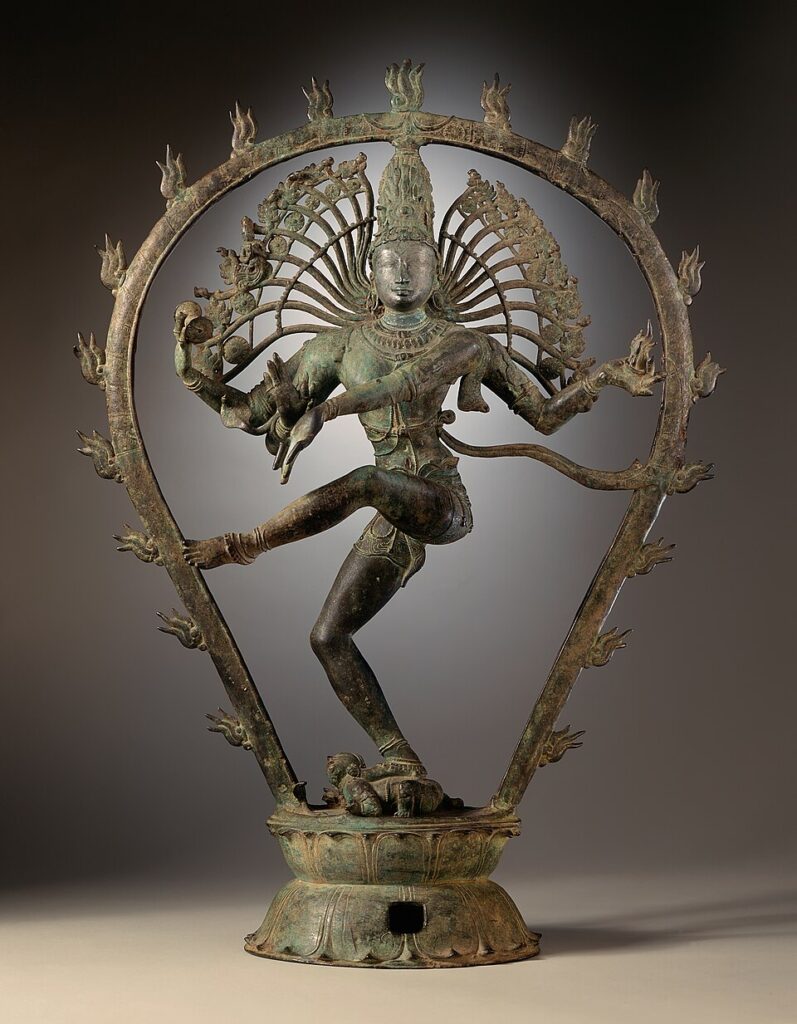
Exploring the 19 Avatars of Lord Shiva: Meaning & Significance
Have you ever wondered about the diverse forms a deity can take? According to ancient Hindu texts, Lord Shiva has manifested in no fewer than nineteen distinct avatars. This isn’t just an intriguing detail; it reveals profound insights into his boundless nature and how he interacts with the universe. Let’s delve into the captivating world of Lord Shiva and explore some of his most significant incarnations.
The concept of avatars – divine descents – is central to Hinduism, particularly concerning Vishnu, but Shiva’s avatars are equally important, offering unique perspectives on his multifaceted personality. As part of the Hindu trinity (trimurti) alongside Brahma and Vishnu, Lord Shiva embodies destruction and transformation—a vital force for renewal and balance in the cosmos. His worship extends across India and parts of Southeast Asia including Nepal, Sri Lanka, and Indonesia [Shiva – Wikipedia]. But beyond this fundamental role, understanding his avatars unlocks a deeper appreciation for his divine attributes.
The Cosmic Dance of Destruction and Creation
A defining feature of Shiva is his third eye, symbolizing both immense power and profound insight. When opened, it can incinerate anything in its path – a stark reminder of Shiva’s role as the destroyer of ignorance and negativity. This destructive force isn’t inherently malevolent; it’s essential for clearing away the old to make way for the new, mirroring the cyclical nature of life itself. The identification of Agni (fire) with Rudra played an important role in the transformation of Rudra into Rudra-Shiva and ultimately Shiva [Shiva – Wikipedia]. His avatars beautifully reflect this cosmic dance between destruction and creation.
Veerbhadra: Born from Shiva’s Fury
One striking avatar is Veerbhadra. His emergence stems from tragedy and divine retribution. Following the self-immolation of Sati, Shiva’s consort, he unleashed his fury, and Veerbhadra sprang forth from his matted locks (jata) to punish those responsible for her death. This story highlights Shiva’s immense power and the complexities of divine justice.
Kashi Vishwanath: The Sacredness of Varanasi
Kashi (Varanasi), one of Hinduism’s holiest cities, holds special significance for Lord Shiva. Here, he is worshipped as Kashi Vishwanath, embodying the divine essence of the city itself. Bathing in the Ganges River at Kashi is believed to wash away sins and lead to liberation. 19 Avatars of Lord Shiva:Interesting facts about the Avatars | AstroVed.com provides a more detailed exploration of this and other avatars.
Nandi: From Calf to Constant Companion
The bull, Nandi, serves as Shiva’s mount – his loyal companion. The story of Nandi’s transformation from a humble calf into a divine being is a testament to Shiva’s grace. He represents the ideal devotee: steadfast and devoted [Shiva – Wikipedia].
Exploring Lesser-Known Avatars
Beyond these well-known avatars, figures like Ashwatthama (a warrior from the Mahabharata) and Bhairava (the fierce protector of devotees) also hold significant positions within Shiva’s pantheon. These avatars demonstrate that even those associated with conflict can be intertwined with divine grace.
Quick Facts About Some Avatars:
- Sharabha: A unique hybrid avatar combining human, lion, and bird features, created to subdue the demon Narasimha (an incarnation of Vishnu).
- Durvasa: Known for his volatile temper, highlighting Shiva’s ability to manifest as both a source of blessings and challenges.
- Hanuman: While primarily associated with Rama, Hanuman is also considered an avatar of Lord Shiva, showcasing the interconnectedness of Hindu deities.
The Maha Mrityunjaya Mantra: A Powerful Invocation
Linked intrinsically to Lord Shiva’s power is the Maha Mrityunjaya Mantra.