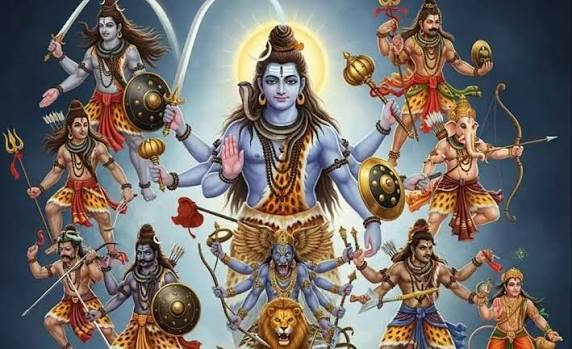
Lord Shiva Took on 19 Avatars to Guide Humanity – Here’s What You Need to Know
Lord Shiva, a cornerstone of Hinduism, has manifested in numerous forms throughout history, as detailed within the ancient Shiva Purana. It’s fascinating to learn that he is believed to have taken on 19 distinct avatars, each embodying specific qualities and fulfilling unique roles in the cosmic drama. But what does it mean for a deity to take an avatar? And why so many? Exploring these forms offers a profound glimpse into the multifaceted nature of this powerful god – part of the Hindu trinity (trimurti) with Brahma and Vishnu – and his enduring influence on devotees worldwide. Let’s delve into the captivating world of Shiva’s avatars, uncovering their stories and significance.
The concept of an avatar—from the Sanskrit word meaning “descent”—implies a divine being assuming a physical form to interact with the world. While the most well-known avatars are those of Vishnu, Lord Shiva’s 19 forms reveal a different facet of his power – sometimes benevolent, often fierce, and always instrumental in upholding dharma (righteousness). Understanding these avatars isn’t just about memorizing names; it’s about appreciating the depth of Shiva’s character and the diverse ways he engages with humanity. But how do we differentiate between an avatar and a simply revered figure associated with Lord Shiva? That’s a question we’ll explore as we journey through these fascinating manifestations.
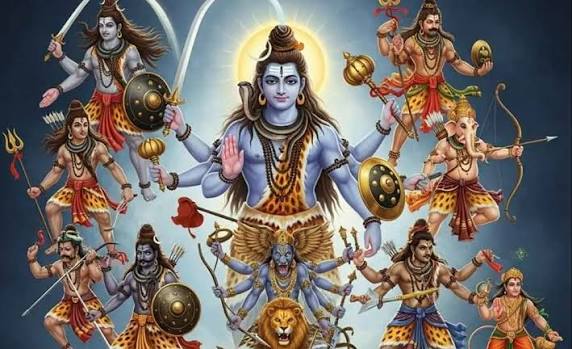
The 19 Avatars: A Pantheon of Power
The list of Shiva’s avatars, while not always consistently detailed across different texts, generally includes the following: Atman, Ishana, Sarva, Bhairava, Pashupati, Mahadeva, Shankara, Kapardi, Tryambaka, Ugra, Bhima, Rudra, Tandit, Vikriti, Mrityunjaya, Shrikantha, Vamadeva, and Veerabhadra. Each avatar represents a specific aspect of Shiva’s personality and power, often arising in response to particular challenges or imbalances within the universe.
Let’s examine some of these avatars more closely:
Sarva: The All-Pervading One
Sarva is considered one of the primary forms of Lord Shiva, representing his all-pervading nature – present everywhere and in everything. This avatar emphasizes Shiva’s role as the ultimate reality, beyond human comprehension but intimately connected to every aspect of existence. It’s a reminder that the divine isn’t confined to temples or rituals; it resides within us and around us.
Bhairava: The Fierce Protector
Bhairava is often depicted as a fierce and terrifying form of Shiva, embodying his destructive power – essential for dismantling negativity and protecting devotees from harm. This avatar isn’t about mindless destruction but rather the necessary cleansing that paves the way for renewal and growth. The intensity of Bhairava’s appearance serves as a potent reminder of the consequences of straying from dharma.
Hanuman: The Devoted Servant
Perhaps one of the most beloved avatars, Hanuman is celebrated for his unwavering devotion to Lord Rama (an avatar of Vishnu). While technically not considered an avatar of Shiva in all traditions, Hanuman’s immense strength and divine qualities are often attributed to Shiva’s blessings, effectively making him a powerful manifestation of Shiva’s grace. Shiva Hindu God Facts – Spesanut highlights the widespread reverence for Hanuman across India.
Veerabhadra: Born from Grief and Divine Retribution
The story of Veerabhadra’s birth is particularly poignant. He emerged from Goddess Sati’s sacrifice, a fiery manifestation of Shiva’s rage and grief after her self-immolation due to her father’s disrespect towards her husband, Lord Shiva. This origin story powerfully reflects broader themes within Hindu mythology regarding the devastating consequences of injustice, the immense power of female devotion, and the righteous anger that can arise from profound loss.
Ashwatthama: A Complex Legacy
Ashwatthama, known for his role in the Mahabharata epic, is also considered one of Shiva’s avatars. His story is complex, marked by tragedy and a deep connection to Lord Shiva’s blessings. This avatar highlights the idea that even those who commit grave errors can be touched by divine grace, though their actions still carry consequences.
Did You Know?
-
Kashi’s Significance: Kashi (Varanasi) holds special significance for Lord Shiva and is considered sacred among Hindus. It’s believed to be one of the most spiritually potent places on Earth, where devotees seek liberation from the cycle of rebirth.
-
Shiva’s Third Eye: Shiva’s third eye represents both destruction and profound insight. When opened, it can unleash devastating power but also grants unparalleled wisdom and understanding.
-
Jyotirlingas & Pilgrimage: The twelve Jyotirlingas are shrines where Lord Shiva is believed to have manifested as a brilliant pillar of light. Kedarnath temple – One of the twelve Jyotirlingas of Lord Shiva and Baidyanath Jyotirlinga is in Deoghar – The abode of Lord Shiva are just two examples of these sacred sites, drawing pilgrims from across the globe.
Frequently Asked Questions
Q: What criteria are used to determine whether a figure is considered an ‘avatar’ of Shiva, versus simply being associated with him?
A: This can be complex and varies depending on different traditions and interpretations within Hinduism. Generally, an avatar implies a direct descent or manifestation of the deity in a specific form, often with a divine purpose. Figures closely associated with Shiva might receive his blessings or embody certain qualities but don’t necessarily fulfill the criteria for being considered a full-fledged avatar.
Q: How do the roles and characteristics of these various avatars interact or overlap? Are there instances where multiple avatars might be invoked for similar purposes, and if so, why?
A: Many avatars share overlapping attributes – Bhairava and Ugra both represent Shiva’s fierce aspect, while Pashupati and Sarva embody his all-pervading nature. Devotees often invoke different avatars based on their specific needs or the situation at hand. For example, someone seeking protection might turn to Bhairava, while someone seeking inner peace might focus on Sarva.
Q: Veerabhadra’s birth stems from Goddess Sati’s sacrifice. How does this origin story reflect broader themes within Hindu mythology regarding grief, divine retribution, and female power?
A: The story powerfully illustrates the devastating consequences of injustice and disrespect towards deities. It highlights the immense power of female devotion (Sati’s unwavering commitment to Shiva) and the righteous anger that can erupt when dharma is violated. Ultimately, it underscores the cyclical nature of creation and destruction within the cosmos.
Modern Relevance & Takeaway
The concept of Lord Shiva’s avatars continues to resonate deeply with devotees today. They offer a framework for understanding the complexities of the divine – acknowledging both his destructive and compassionate aspects. In a world often characterized by chaos and uncertainty, these avatars serve as reminders that even in the darkest times, there is always hope for renewal and transformation. The stories of Shiva’s avatars encourage us to confront our own inner demons, embrace change, and strive towards a more righteous path – just as he did throughout countless lifetimes.
Conclusion
From Sarva’s all-pervading presence to Bhairava’s fierce protection, Lord Shiva’s 19 avatars paint a vibrant portrait of a deity who is both terrifying and benevolent, destructive and creative. Returning to our initial question – why so many? Perhaps it’s because the human experience itself is multifaceted, demanding a divine response that reflects its complexity. Just as Lord Shiva took on these diverse forms to guide humanity, we too can draw inspiration from his avatars to navigate the challenges of life with courage, compassion, and unwavering faith.