The Sun Falls: A Chronicle of Karna’s Death and a Broken Promise
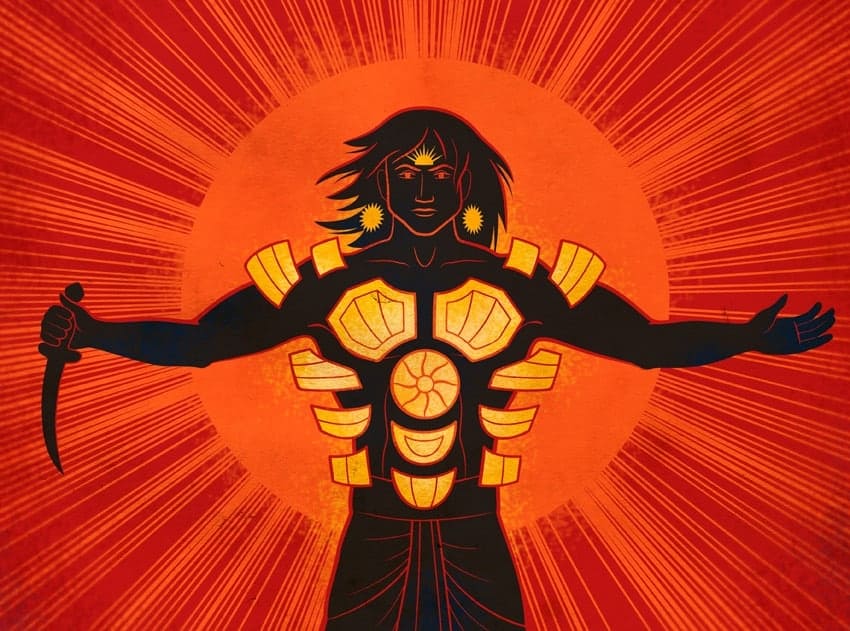
A solar deity, representing power and strength, is intrinsically linked to Karna’s very existence – he was born of Kunti and the Sun God himself. This celestial heritage imbued him with extraordinary abilities, yet ultimately contributed to his tragic downfall on the battlefield of Kurukshetra. But how could someone touched by such divine grace meet their end in such a devastating manner? The answer lies within a confluence of fate, curses, and the brutal realities of war – a story that continues to resonate with themes of injustice and unfulfilled potential.
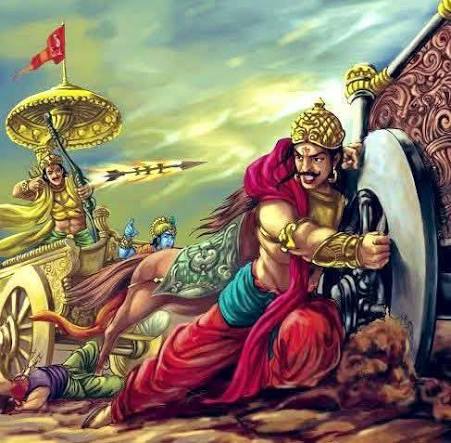
The air hung thick with the dust of battle, the cries of warriors echoing across the ravaged plains of Kurukshetra. Arjuna’s arrow, aimed at Dushasana, had found its mark… but not as intended. It pierced Karna’s chariot wheel, embedding itself deep within the axle and trapping it firmly in the churned-up earth. This wasn’t a random occurrence; it was the fulfillment of an ancient curse laid upon Karna by the Earth Goddess herself, a consequence of his birth and abandonment. The Story of Karna’s Death in Mahabharata – TemplePurohit details this pivotal moment, painting a vivid picture of the warrior’s despair as he realized his fate was sealed. Why would a goddess curse a child? And what did this seemingly predetermined event say about free will and destiny in the grand scheme of the Mahabharata?
The Seeds of Tragedy: Abandonment and Allegiance
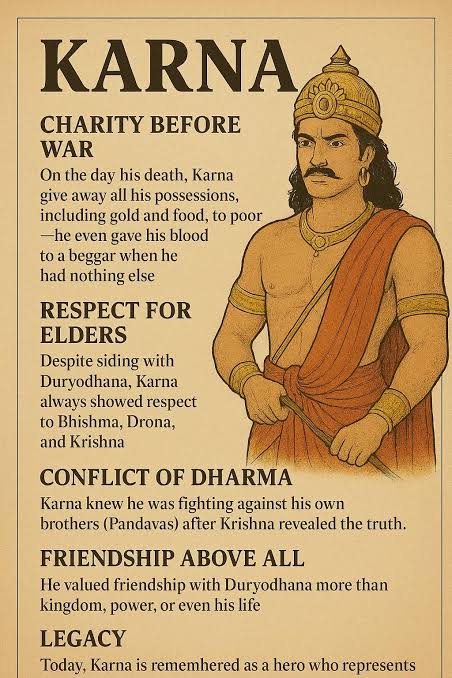
Karna’s story is one steeped in sorrow from its very beginning. Born out of wedlock to Kunti, he was abandoned as a baby and found by Adhiratha, a charioteer, who raised him as his own son. This early rejection left an indelible mark on Karna’s character, fostering a deep-seated insecurity and a yearning for acceptance. He craved recognition, something denied to him due to his unknown lineage. It was this vulnerability that made him susceptible to Duryodhana’s charm and promises of power and belonging. Duryodhana, recognizing Karna’s immense skill and potential, showered him with honors and declared him the King of Anga, a gesture that solidified Karna’s loyalty – a loyalty that would ultimately prove fatal. Vidura, one of the wise men in Mahabharata, often cautioned against rash decisions driven by ego and ambition [https://ritsin.com/blog/mahabharat-vidura/] – could Karna have heeded his warnings?
The Promise: A Warrior’s Code
Karna was a man bound by his word. He had made a solemn promise to Duryodhana that he would not abandon him, even in the face of death. This vow became a defining aspect of his character and a significant factor in his tragic end. Even when Krishna, acting as Arjuna’s charioteer, attempted to persuade Karna to switch sides, appealing to his inherent righteousness and reminding him of his true lineage, Karna remained steadfast in his commitment. “I am bound by my word,” he declared, choosing loyalty over justice, a decision that would haunt the battlefield and beyond. Was this unwavering adherence to a promise truly virtuous, or did it blind him to the larger moral implications of supporting Duryodhana’s unjust cause?
The Final Encounter: A Battle of Skill and Fate
The battle between Arjuna and Karna was a clash of titans – two unparalleled warriors locked in a deadly dance. Karna’s skill with weaponry was legendary, his arrows capable of devastating destruction. Yet, the curse upon his chariot wheel had already diminished his chances. As Arjuna’s arrow struck, trapping him, Karna knew his end was near. He fought valiantly, unleashing a barrage of powerful weapons, but it was all in vain. The inevitable arrived with agonizing slowness. The scene is etched in memory – the trapped warrior, the relentless onslaught of arrows, and the final, fatal blow that ended the life of one of the Mahabharata’s most tragic figures.
Did You Know?
- Karna possessed the Vasavi Shakti, a divine weapon gifted to him by Indra himself, which could deflect any attack. However, he was forbidden from using it against his own brothers – a restriction that proved crippling in his final moments.
- The Earth Goddess’s curse wasn’t merely about trapping Karna’s wheel; it was also intended to humble him and remind him of the consequences of his actions.
- Karna’s true identity as Kunti’s son remained hidden until after his death, adding another layer of tragedy to his story – a lost opportunity for reconciliation with his biological mother.
Frequently Asked Questions
Q: Considering Karna’s lineage (being born of the Sun God), what symbolic meaning might his death hold within the broader narrative and philosophical themes of the Mahabharata?
A: His death represents the tragic consequences of societal rejection, misplaced loyalty, and the limitations imposed by fate. It highlights the cyclical nature of karma and the ultimate futility of clinging to false identities.
Q: Given Karna’s inherent righteousness and skill, how much of his tragic fate was truly predetermined versus a consequence of the choices he made throughout his life?
A: While the Earth Goddess’s curse played a significant role, Karna’s decisions – particularly his unwavering loyalty to Duryodhana – undeniably shaped his destiny. It raises questions about agency within a seemingly preordained universe.
Q: How did Karna’s abandonment at birth and subsequent societal rejection contribute to shaping his character and influencing his allegiance to Duryodhana?
A: His early experiences fostered a deep-seated need for acceptance and belonging, making him vulnerable to Duryodhana’s promises of power and recognition. He sought validation where he felt it was lacking.
Q: Krishna’s actions are described as ‘strategically manipulating circumstances.’ Does this portrayal justify Krishna’s intervention, or does it raise ethical questions about his methods and the fairness of the conflict?
A: This is a complex question that sparks debate among scholars. While Krishna’s actions ensured dharma prevailed, they also blurred the lines between divine intervention and manipulation, raising concerns about the impartiality of justice.
A Legacy Forged in Sorrow
Karna’s death remains one of the most poignant moments in the Mahabharata – a testament to the devastating consequences of societal prejudice, unwavering loyalty, and the relentless march of fate. His story serves as a cautionary tale, reminding us that even those touched by divine grace are not immune to suffering and injustice. The sun may have fallen on Karna’s life, but his memory continues to shine brightly, illuminating the complexities of human nature and the enduring power of compassion. Aranya Kand story in pictures – Dandakaranya, bank of Godavari offers a glimpse into the broader context of divine intervention and destiny within ancient Indian narratives.