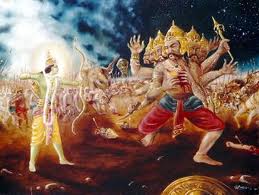
The Ramayana, a cornerstone of ancient Indian literature, captivates readers with its tale of Rama, Sita, and Hanuman. But who penned this epic masterpiece? Traditionally, the sage Valmiki is credited as the author. This Sanskrit poem comprises approximately 24,000 verses across seven books (Kandas), narrating Rama’s journey and his battle against the demon king Ravana.
Valmiki, revered as the “Adi Kavi” or first poet, crafted what’s considered the earliest kavya (poem) in Sanskrit. Legend says he was inspired to create the Ramayana after witnessing a bird lamenting its mate’s death, prompting him to compose the shloka – the verse form that structures the epic.
The Ramayana’s influence extends far beyond Valmiki’s original work. Numerous regional versions exist, each adding unique cultural nuances and interpretations. For instance, the Kamba Ramayana, a Tamil rendition by Kamban, is celebrated for its lyrical beauty and emphasis on devotion to Rama. It diverges from Valmiki’s narrative with new characters and episodes, enriching the story’s ethical dimensions. You can learn more about other significant figures in the Ramayana here.
Exploring Regional Adaptations:
- Odia Ramayana: Balarama Dasa’s Dandi Ramayana (or Jagamohana Ramayana) incorporates local folklore and emphasizes moral teachings. Biswanath Khuntia’s Bichitra Ramayana is another prominent Odia version.
- Ramcharitmanas by Tulsidas: This 16th-century North Indian version, written in Awadhi, is widely read and revered for its devotional focus. Learn about other weapons from The Ramayana here.
- Thai Ramakien: Demonstrates the epic’s spread to Southeast Asia, incorporating unique Thai cultural elements.
The Ramayana’s story continues to resonate across cultures and generations. Its enduring appeal lies not only in its narrative but also in its ability to adapt and reflect diverse values and beliefs. Discover more about the significance of Hanuman, a key character in the Ramayana, here.