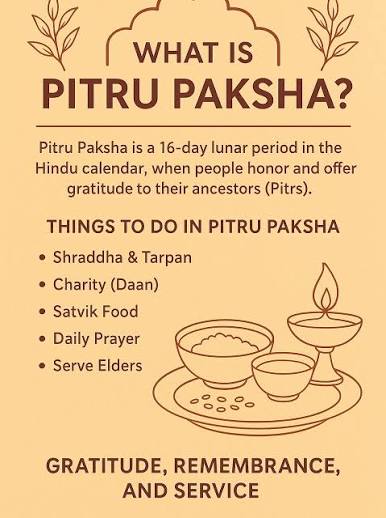
Pitru Paksha: A 16-Day Period When Hindus Pay Homage to Their Ancestors Through Food Offerings
For sixteen lunar days each year, a profound shift occurs in the Hindu calendar – a time when the veil between the living and the departed thins, and families turn their attention to honoring those who came before. This period, known as Pitru Paksha, is a deeply significant observance, steeped in tradition and brimming with rituals designed to appease and bless ancestors. But what exactly is Pitru Paksha, and why is it so vital to understanding Hindu culture? Let’s delve into the heart of this fascinating tradition and uncover its secrets.
Pitru Paksha, also referred to as Pitarpas, Pitru Paksha/Pitr-Paksha, Pitri Pokkho, Sorah Shraddha, Kanagat, Jitiya, Mahalaya, Apara Paksha, and akhadpak, isn’t just a calendar event; it’s a spiritual journey. It’s a time when Hindus believe the spirits of their ancestors return to visit, and it’s considered an auspicious period to perform Shraddha – rituals involving food offerings – to ensure their peace and well-being. The very name, derived from “Pitru,” meaning “father” or “ancestor,” underscores the central theme: honoring those who paved the way for us. But why are these rituals so crucial, and what happens if they aren’t performed?
The Lunar Cycle and Ancestral Connection
The timing of Pitru Paksha is dictated by the lunar calendar, falling in the waning phase of the moon, typically between September and October. This specific lunar phase is believed to be conducive to ancestral spirits returning to the earth realm. The 16-day duration isn’t arbitrary; each day is traditionally dedicated to the remembrance of a specific ancestor, allowing families to offer prayers and sustenance tailored to their individual needs and desires. Pitru Paksha – Wikipedia provides a more detailed look at the calendar and its significance.
The core belief underpinning Pitru Paksha is that ancestors influence the lives of their descendants. Performing Shraddha is seen as a way to express gratitude, seek blessings, and alleviate any suffering the ancestors might be experiencing in the afterlife. It’s a reciprocal relationship – honoring the past ensures a prosperous future. But what exactly are these Shraddha rituals, and what symbolic meaning do they hold?
Rituals and Offerings: A Tapestry of Tradition
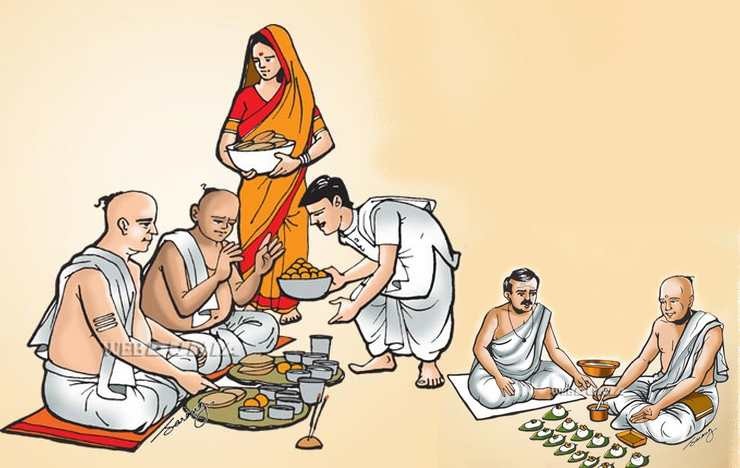
The rituals performed during Pitru Paksha are rich in symbolism and steeped in tradition. The most prominent is Shraddha, which involves preparing special food offerings – often including rice balls, sweets, and seasonal fruits – and presenting them to the ancestors. These offerings are typically accompanied by chanting mantras and performing tarpan, a ritual of offering water.
Beyond the food offerings, other rituals include lighting lamps, performing pujas (prayers), and making donations to Brahmins. The act of offering pinda daan, or rice balls, is particularly significant, symbolizing the sustenance provided to the ancestors. The specific mantras chanted during Shraddha are believed to carry immense power, directly reaching the spirits of the departed. For those unfamiliar with Hindu rituals, understanding the essence of Pitru Paksha lies in recognizing this profound act of remembrance and gratitude – a way to acknowledge the debt we owe to those who came before.
Mahalaya: The Gateway to the Ancestral Realm
Within Pitru Paksha, Mahalaya holds a special significance. It marks the seventh day and is considered the most auspicious day for performing Shraddha. It’s believed that on Mahalaya, the gates of the ancestral realm open, allowing spirits to freely visit the earth. Pitru Paksha Purnima Navgrah Dosh Nivaran Chadhava – Temple Blessings highlights the importance of this day and the specific rituals associated with it.
Mahalaya is also often associated with the celebration of Durga Puja in some regions, particularly in West Bengal. The transition from Pitru Paksha to Durga Puja signifies a shift from honoring ancestors to celebrating the divine feminine.
Did You Know?
- Multiple Names: The sheer number of names for this period – Pitru Paksha, Pitarpas, Pitri Pokkho, Sorah Shraddha – reflects the diverse regional variations in its observance across India and beyond.
- Beyond Food: While food offerings are central, rituals also involve symbolic gestures like scattering rice and flowers, representing the nourishment and blessings extended to ancestors.
- A Time for Reflection: Pitru Paksha isn’t just about rituals; it’s a time for introspection, remembering family history, and passing down traditions to younger generations.
Pitru Dosha: Addressing Ancestral Karma
The concept of Pitru Dosha is often discussed in relation to Pitru Paksha. It refers to a karmic influence believed to be passed down through generations due to unresolved issues or incomplete rituals performed for ancestors. It’s thought to manifest as challenges in relationships, career, or overall well-being. While chanting mantras and performing Shraddha are primary methods for addressing Pitru Dosha, other remedies may include donating to charities, performing specific pujas, and seeking guidance from a learned priest.
Modern Relevance: Connecting to Our Roots
In today’s fast-paced world, the observance of Pitru Paksha serves as a powerful reminder to connect with our roots and honor our heritage. It’s a time to pause, reflect on the sacrifices made by our ancestors, and express gratitude for their legacy. Importance of Pitru Paksha and Amavasya – freeflow explores the continued relevance of these traditions in contemporary society. Even for those who cannot physically perform the rituals, acknowledging and remembering ancestors through prayer and reflection remains a meaningful way to participate in this sacred period.
Conclusion: A Legacy of Remembrance
The observance of Pitru Paksha is more than just a religious ritual; it’s a testament to the enduring power of family, tradition, and remembrance. Just as our ancestors paved the way for us, we, in turn, have a responsibility to honor their memory and ensure their peace. The 16 days of Pitru Paksha offer a unique opportunity to strengthen those bonds, seek blessings, and reaffirm our connection to the generations that came before – a legacy that continues to shape who we are.
Frequently Asked Questions
Q: Beyond chanting mantras, what other specific rituals or offerings are traditionally performed during Pitru Paksha, and what is the symbolic meaning behind them?
A: Beyond the core Shraddha rituals involving food offerings and mantras, families often perform tarpan (offering water), light lamps, and donate to Brahmins. The symbolic meaning behind these actions is to provide sustenance, light, and blessings to the ancestors, ensuring their peace and well-being in the afterlife.
Q: For someone unfamiliar with Hindu rituals, what is the most essential aspect of Pitru Paksha they should understand to appreciate its significance?
A: The most essential aspect is the underlying principle of honoring and remembering ancestors. It’s about acknowledging the debt we owe to those who came before us and expressing gratitude for their sacrifices and contributions. Even a simple act of remembrance and prayer can be deeply meaningful.
Q: What is the origin and historical significance of Pitru Paksha within Hindu tradition, and how has its observance evolved over time?
A: The origins of Pitru Paksha are rooted in ancient Vedic traditions, where ancestor veneration was a fundamental aspect of religious practice. Over time, the rituals and customs associated with Pitru Paksha have evolved, incorporating regional variations and adapting to changing social contexts, but the core principle of honoring ancestors has remained constant.
Q: What is Pitru Dosha?
A: Pitru Dosha is a karmic influence believed to be passed down through generations due to unresolved issues or incomplete rituals performed for ancestors. It’s thought to manifest as challenges in relationships, career, or overall well-being.