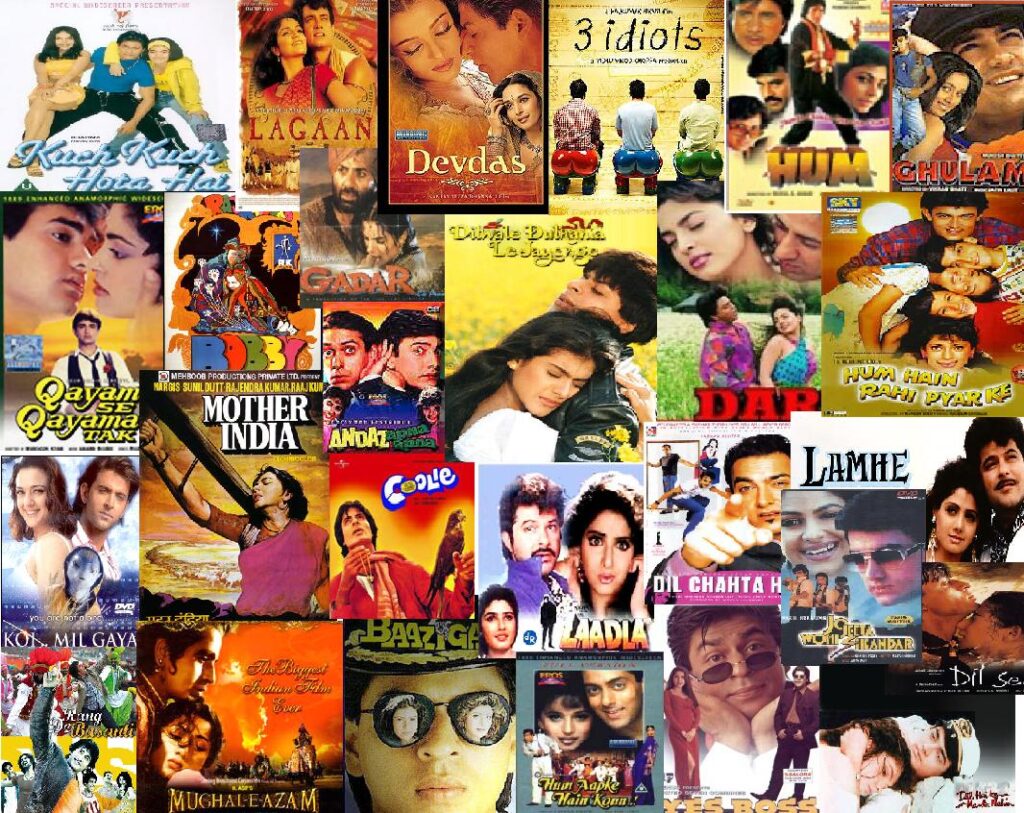
The Four Horsemen from the 80s Still Running Strong
As I stepped into the dimly lit cinema, the scent of old movie posters and dusty seats wafted through the air, transporting me back to a bygone era. The rickety projector whirred to life, and the screen flickered with the iconic opening credits of Sholay (1975), a film that has been a constant companion to generations of Indians. As I watched the majestic four horsemen – Gabbar, Jai, Veeru, and Radha – ride onto the screen, I couldn’t help but wonder: what was it about these four characters that has endured for so long?
Their on-screen camaraderie, the intricate dance of loyalty and betrayal, and the nostalgic value of their adventures have captivated audiences for decades. Even today, these iconic characters remain etched in our collective memory, evoking a sense of nostalgia that transcends age and geography. But what makes them so timeless?
The Golden Era of Bollywood
The 1980s marked a golden era for Bollywood, with the emergence of blockbuster films that pushed the boundaries of storytelling, music, and cinematic innovation. During this period, films like Krishna (1988), Raj Tilak (1984), and Himmatwala (1983) became cult classics, with their over-the-top action sequences, melodious soundtracks, and larger-than-life characters. These films not only reflected the societal and cultural norms of the time but also critiqued them, making them a fascinating time capsule of India’s transformation during the 1980s.
A recent online conversation on Reddit’s Bollywood community, r/bollywood, reignited the debate about the enduring popularity of these classic films. Users shared their personal anecdotes about how these movies had become an integral part of their childhood, with many revealing that they had watched these films alongside their parents or grandparents. The thread, “The four horsemen from the 80s still running strong,” sparked a lively discussion about the nostalgia surrounding these iconic films.
Gabbar, Jai, Veeru, and Radha: The Enduring Legacy
Gabbar, the menacing antagonist from Sholay, is often regarded as one of the most iconic villains in Indian cinema. His cold, calculating demeanor and razor-sharp wit have become synonymous with the character of a ruthless adversary. However, beneath the façade of his menacing persona lies a complex and multifaceted individual, whose backstory and motivations have been the subject of much speculation and debate.
Jai, Veeru, and Radha, on the other hand, represent the ideals of friendship, loyalty, and love. Their bond is forged in the fires of adversity, and their relationship transcends the conventional boundaries of hero and villain. As the four horsemen ride through the dusty landscapes of Rajasthan, their characters represent the very essence of India’s rich cultural heritage – a blend of mythology, folklore, and everyday life.
Timeless Themes and Universality
The success of these films can be attributed to their timeless themes, which continue to resonate with audiences today. Issues like social inequality, corruption, and the struggle for justice are woven into the narrative of these classic films, making them more than just entertaining escapism. They also offer a unique window into the societal and cultural context of the 1980s, providing a fascinating case study of India’s transformation during this period.
The music, too, plays a significant role in the enduring popularity of these films. The iconic soundtrack of Sholay, featuring the legendary song “Mehbooba Mehbooba,” has become an integral part of our shared cultural memory. The soundtrack of Krishna (1988) is another standout, with its lilting melodies and poignant lyrics capturing the essence of the film’s themes.
A Legacy that Continues to Inspire
As I left the cinema, the haunting image of the four horsemen galloping across the screen lingered in my mind. The enduring popularity of these classic films is a testament to the power of storytelling and the human imagination. They remind us that, despite the passage of time, our deepest hopes, desires, and fears remain unchanged.
As the four horsemen from the 80s continue to ride strong, their legacy serves as a reminder of the transformative power of cinema. They inspire us to revisit the past, to reflect on our shared experiences, and to rekindle the spark of creativity that has driven Indian storytelling for generations.